
Ankle and foot physio · Benowa
Step out of bed and onto the field without the pain in your foot or ankle
Get a clear diagnosis, hands-on treatment and a rehab plan for your ankle, Achilles and foot.
Sound familiar?
Does this sound like you?
- Your first steps in the morning hurt under your heel?
- You rolled your ankle and it still feels weak or unstable?
- Your Achilles is stiff and sore when you start running or walking?
What we treat
Ankle we see every week
If yours isn't listed, book an assessment and we'll work out what is going on.
Inside the problem
How it works
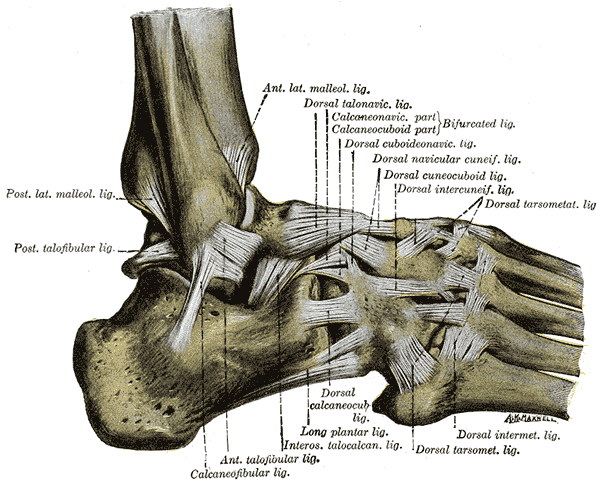
The ankle and foot combine more than 25 bones, dozens of ligaments and the strong Achilles tendon, and take several times your body weight with every step and more when you run. Because they connect you to the ground, ankle and foot problems often change how your knee, hip and back load too.
In more detail
Common problems explained
What each one is, what it feels like and how we manage it.
Lateral ankle sprain
Rolling the ankle can stretch or tear the ligaments on the outer side, causing swelling, bruising and pain. Early guided movement and strengthening give better results than prolonged rest. We also rebuild balance, because repeat sprains are common when it is skipped.
Achilles tendinopathy
Pain and stiffness in the tendon at the back of the heel, often worse first thing in the morning or at the start of a run. Treatment is progressive loading of the calf and tendon, plus managing training. It can take months and rest alone rarely fixes it.
Plantar fasciitis (plantar heel pain)
Pain under the heel, sharp with the first steps of the day or after sitting. It is related to load on the thick band under the foot. We use load management, calf and foot strengthening and a graded return to walking and running.
Shin splints (medial tibial stress syndrome)
An ache along the inner shin that builds with running or jumping. It is a bone and soft-tissue overload problem, often after a sudden increase in training. We adjust load and build strength, and rule out a stress fracture if your pain is focal or persistent.
How we help
Our four-step approach
Every plan is built around your problem, your work and your goals.
Assess
We assess your ankle, foot, calf and how you walk or run, as the problem often shows up in how you load.
Explain
You get an honest explanation of what is injured, how long it usually takes, and what to do in the meantime.
Treat
Hands-on treatment, taping where useful, and exercises to settle pain and restore movement.
Rebuild
Calf, foot and balance strengthening, with a graded return to walking, running or sport.
Shockwave therapy is available for stubborn tendon problems such as the Achilles and plantar fascia.
Questions
Before you book
Should I rest a sprained ankle?
Early on, protect it, then start moving as soon as it is comfortable. Early, guided rehab usually leads to a better recovery than long rest.
Why does my heel hurt in the morning?
That is typical of plantar fasciitis, which your physio can assess and treat. It tends to respond to a combination of load management and strengthening.
Do I need orthotics?
Not always. Your physio will assess whether your foot mechanics are part of the problem before suggesting anything.
What happens at the first appointment?
Initial appointments are 60 minutes, so there is time for a thorough assessment. We assess the problem, explain what is going on, start treatment and give you a clear plan. No referral needed.
Can I claim on my health fund?
Yes. If your extras cover includes physio, you can claim on the spot with HICAPS and only pay the gap. We also see Medicare care plan, WorkCover, CTP, DVA and NDIS patients.
Your next step
Book your assessment
Book online any time, or call (07) 5564 9009 and we'll find a time that suits.
General information only, not individual medical advice. Results vary from person to person. © Focus on Physio