
Back pain physio · Benowa
Move freely again without the worry of your back going out
Get a proper diagnosis, hands-on treatment and a strengthening plan built around your back and your life.
Sound familiar?
Does this sound like you?
- Your back is stiff or sore when you get up, sit at your desk or drive?
- It eases with rest, then flares up the moment you lift, bend or train?
- You've had back pain on and off for months and nobody has told you why?
What we treat
Back Pain we see every week
If yours isn't listed, book an assessment and we'll work out what is going on.
Inside the problem
How it works
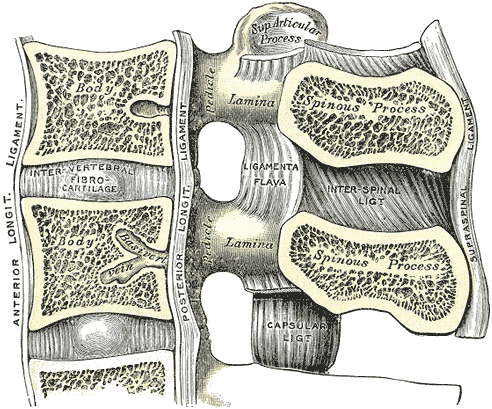
Your lower back carries most of your upper body's weight. Each vertebra is cushioned by a disc, guided by small facet joints at the back, and held by strong ligaments and the muscles around them. Pain can come from any of these structures, and most of the time more than one is involved, which is why a proper assessment matters more than a scan.
In more detail
Common problems explained
What each one is, what it feels like and how we manage it.
Acute lower back strain or sprain
A sudden overload of the muscles, ligaments or joints, often from lifting, twisting or an awkward bend. It usually feels sharp and tight, and moving can be difficult at first. Most people improve steadily over days to a few weeks. Early gentle movement, hands-on treatment and a graded return to lifting help, and we look at why it happened so it is less likely to recur.
Disc-related back and leg pain
The discs can bulge or irritate nearby nerves, causing back pain with or without pain, tingling or weakness down the leg. It often feels worse sitting or bending forward and easier walking. Many disc problems settle without surgery. We use positions and movements that calm the nerve, then build trunk and hip strength. Worsening leg weakness needs prompt medical review.
Sciatica
Sciatica describes pain travelling down the leg along the path of the sciatic nerve, usually from irritation of a nerve root in the lower back. It can be sharp, burning or electric, sometimes with pins and needles. Treatment aims to settle the nerve with the right movements and loading, then restore strength. Recovery often takes weeks to a few months, and your physio will track your leg symptoms closely.
Facet joint pain
The small joints at the back of the spine can become irritated, causing a sharp, localised pain that is worse leaning backwards or twisting, and stiff after rest. It is common after a long day of sitting or standing. Hands-on treatment to ease the joints, movement retraining and strengthening for the muscles that support the spine usually help.
How we help
Our four-step approach
Every plan is built around your problem, your work and your goals.
Assess
We find out what is actually driving your pain, not just where it hurts, by checking how your back, hips and nerves move and load.
Explain
You get a plain-English explanation of what is going on, what is safe to do, and what to avoid for now.
Treat
Hands-on treatment to settle pain and stiffness so you can move, along with simple exercises to do at home.
Rebuild
A progressive strengthening plan so the back copes with your work, training and life, and is less likely to flare again.
If land exercise is too sore, our on-site hydrotherapy pool can take the load off while you build strength.
Questions
Before you book
Should I rest if my back goes out?
Short-term, gentle movement is usually better than long bed rest. Your physio will tell you what to do and what to avoid based on your assessment.
Do I need a scan?
Often not. Many scans show changes that are common in people with no pain at all. Your physio will tell you if imaging is worth discussing with your doctor.
Can you treat sciatica?
Yes. Your physio works out where the nerve is being irritated and treats that, along with exercises to settle it.
What happens at the first appointment?
Initial appointments are 60 minutes, so there is time for a thorough assessment. We assess the problem, explain what is going on, start treatment and give you a clear plan. No referral needed.
Can I claim on my health fund?
Yes. If your extras cover includes physio, you can claim on the spot with HICAPS and only pay the gap. We also see Medicare care plan, WorkCover, CTP, DVA and NDIS patients.
Your next step
Book your assessment
Book online any time, or call (07) 5564 9009 and we'll find a time that suits.
General information only, not individual medical advice. Results vary from person to person. © Focus on Physio