
Knee physio · Benowa
Walk, run and take the stairs again without worrying about your knee
Get a clear diagnosis, hands-on treatment and a strengthening plan built around your knee and your goals.
Sound familiar?
Does this sound like you?
- Your knee aches on stairs, squats or after sitting for a while?
- It swells, clicks or gives way and you don't trust it?
- You've stopped running, playing or walking the dog because of it?
What we treat
Knee Pain we see every week
If yours isn't listed, book an assessment and we'll work out what is going on.
Inside the problem
How it works
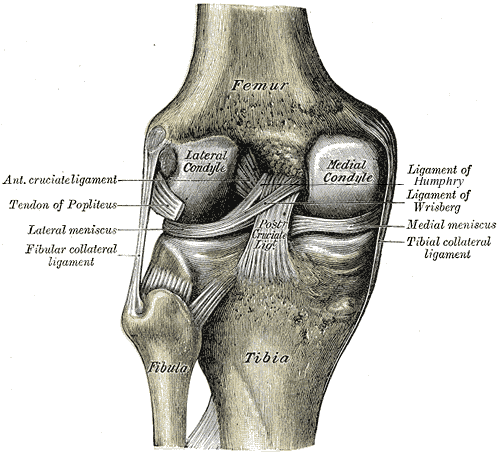
Your knee is a hinge between the thigh bone and shin bone, with two cartilage shock absorbers (the menisci), four main ligaments for stability and the kneecap gliding in front. Most knee pain comes from how the whole leg loads the joint, so strength and control around the hip, knee and foot matter as much as the joint itself.
In more detail
Common problems explained
What each one is, what it feels like and how we manage it.
Patellofemoral (knee cap) pain
Aching around or behind the kneecap, worse on stairs, squats, running or after sitting. It is often an overload problem rather than damage. Treatment combines load management, hands-on work and progressive hip and thigh strengthening, and it usually responds well over several weeks.
Meniscus tears
A tear in the knee's cartilage can cause pain on twisting, swelling, catching or locking. Many tears, especially degenerative ones, do well with a structured rehab program. A true locked knee, or one that will not straighten, needs prompt medical review.
ACL and ligament injuries
A sudden twist or landing can sprain or tear a knee ligament, often with a pop and swelling. We assess stability and guide early rehab. Whether you need surgery depends on your knee, your sport and your goals. Return to sport is based on strength and control testing, not just time.
Patellar and quadriceps tendinopathy
Pain at the front of the knee below or above the kneecap, common in jumping and running sports. It responds to progressive tendon loading rather than rest. It can take months, so a clear plan and realistic expectations matter.
Knee osteoarthritis
Gradual wear and sensitivity of the joint, with stiffness after rest and aching with activity. Exercise and strengthening are first-line care. Weight management, pacing and, where needed, knee replacement planning are part of the conversation.
How we help
Our four-step approach
Every plan is built around your problem, your work and your goals.
Assess
We assess how your knee, hip, ankle and foot move and load, because knee pain often starts somewhere else.
Explain
You get a plain explanation of what is happening in the knee and what you can safely keep doing.
Treat
Hands-on treatment and exercises to settle pain and swelling and restore movement.
Rebuild
Progressive strength and control work, with testing to check your knee is ready before you go back to sport.
Our hydrotherapy pool is useful in the early stages when weight-bearing is sore.
Questions
Before you book
Is exercise safe for an arthritic knee?
Yes, in most cases. Strengthening is a core part of managing knee osteoarthritis. Your physio will set the right level for you.
Do I need surgery for a meniscus tear?
Not always. Many tears are managed with a structured rehab program. Your physio will tell you honestly if a surgical opinion is worth having.
When can I return to sport after an ACL injury?
It depends on strength and control testing, not just time. Your physio will retest along the way so the decision is based on measurements.
What happens at the first appointment?
Initial appointments are 60 minutes, so there is time for a thorough assessment. We assess the problem, explain what is going on, start treatment and give you a clear plan. No referral needed.
Can I claim on my health fund?
Yes. If your extras cover includes physio, you can claim on the spot with HICAPS and only pay the gap. We also see Medicare care plan, WorkCover, CTP, DVA and NDIS patients.
Your next step
Book your assessment
Book online any time, or call (07) 5564 9009 and we'll find a time that suits.
General information only, not individual medical advice. Results vary from person to person. © Focus on Physio