
Shoulder physio · Benowa
Reach, lift and sleep again without the shoulder holding you back
Get a clear diagnosis, hands-on treatment and a rotator cuff and shoulder blade strengthening program.
Sound familiar?
Does this sound like you?
- Reaching overhead or behind your back catches or aches?
- Lying on that side keeps you awake at night?
- You've stopped training, swimming or playing because of your shoulder?
What we treat
Shoulder Pain we see every week
If yours isn't listed, book an assessment and we'll work out what is going on.
Inside the problem
How it works
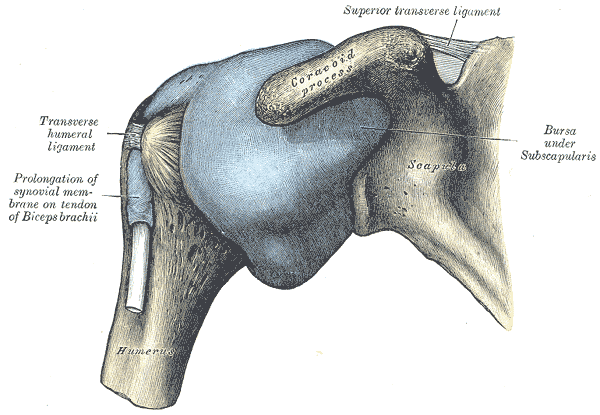
The shoulder is the most mobile joint in the body, a large ball in a shallow socket held in place by the rotator cuff muscles and tendons, the joint capsule and the muscles around your shoulder blade. That freedom of movement is why it is also so easily irritated, overloaded or injured, and why shoulder blade and neck control matter as much as the joint itself.
In more detail
Common problems explained
What each one is, what it feels like and how we manage it.
Rotator cuff tendinopathy and tears
The four rotator cuff tendons can become painful from overload or tear from injury or wear. It typically hurts lifting the arm, reaching behind and lying on that side at night. Many tears and painful tendons improve with a structured strengthening program. We tell you honestly if a surgical opinion is worth having.
Subacromial pain (impingement)
Pain at the top and front of the shoulder, often with a painful arc as the arm rises past shoulder height. It is usually an overloaded tendon and bursa rather than something physically trapped. Treatment focuses on settling pain, improving shoulder blade control and gradually loading the cuff.
Frozen shoulder (adhesive capsulitis)
The joint capsule becomes painful and stiff, so the shoulder loses movement in all directions. It tends to move through painful, stiff and recovering stages over many months. We adjust treatment to the stage, using gentle movement and hands-on work to keep as much range as possible, and explain what to expect.
Shoulder instability and dislocation
After a dislocation or repeated slipping, the capsule and stabilising muscles need rebuilding. Rehab focuses on rotator cuff and shoulder blade control and, for contact sport, a staged return. Some people need a surgical opinion, particularly young athletes with repeat dislocations, and we will tell you if so.
How we help
Our four-step approach
Every plan is built around your problem, your work and your goals.
Assess
We look at the shoulder, neck, upper back and shoulder blade together, because the problem is often not just the joint.
Explain
You get a clear explanation of what is irritated or injured, and what you can keep doing safely.
Treat
Hands-on treatment and specific exercises to settle pain and restore movement.
Rebuild
Progressive strengthening and, for sport, a return-to-play plan so the shoulder can cope with what you need it to do.
Hydrotherapy can help after surgery or when land exercise is too sore.
Questions
Before you book
Do I need a scan for shoulder pain?
Not always. Your physio will assess you first and let you know if a scan or a specialist opinion is worth discussing with your doctor.
Can a rotator cuff tear heal without surgery?
Many rotator cuff problems are managed well with a structured exercise program. Your physio will tell you honestly if surgery is worth considering.
How long does frozen shoulder last?
It can take many months and tends to go through stages. Your physio will guide treatment for the stage you are in.
What happens at the first appointment?
Initial appointments are 60 minutes, so there is time for a thorough assessment. We assess the problem, explain what is going on, start treatment and give you a clear plan. No referral needed.
Can I claim on my health fund?
Yes. If your extras cover includes physio, you can claim on the spot with HICAPS and only pay the gap. We also see Medicare care plan, WorkCover, CTP, DVA and NDIS patients.
Your next step
Book your assessment
Book online any time, or call (07) 5564 9009 and we'll find a time that suits.
General information only, not individual medical advice. Results vary from person to person. © Focus on Physio