
Jaw pain physio · Benowa
Eat, talk and yawn comfortably without the click, lock or ache in your jaw
Get a thorough assessment, gentle hands-on treatment and exercises for your jaw and neck.
Sound familiar?
Does this sound like you?
- Your jaw clicks, catches or locks when you open wide?
- You wake with a sore jaw or headaches from clenching or grinding?
- Chewing or yawning hurts and you've started avoiding certain foods?
What we treat
Jaw (TMJ) Pain we see every week
If yours isn't listed, book an assessment and we'll work out what is going on.
Inside the problem
How it works
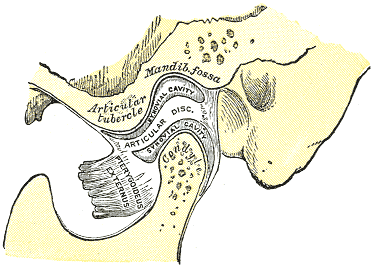
Your jaw joint (the TMJ) sits just in front of the ear, with a small cartilage disc that glides between the jawbone and skull every time you chew, talk or yawn. The joint works with the chewing muscles and the upper neck, so jaw pain often involves all three, and so does treatment.
In more detail
Common problems explained
What each one is, what it feels like and how we manage it.
Jaw clicking and disc displacement
Clicking or popping as you open or close can come from the disc moving around the joint. If it is painless it often needs no treatment. If it catches, locks or hurts, we use gentle hands-on treatment and exercises to improve how the jaw moves.
Jaw muscle pain and clenching
Tight, tender chewing muscles, often with clenching or grinding at night, cause aching in the cheek and temple and a sore jaw on waking. We treat the muscles and neck, and work on habits and stress triggers.
Jaw-related headaches
Headaches around the temples and face can come from the jaw and neck muscles. We assess both and treat the source. If your headaches do not fit this pattern, we will suggest you see your doctor.
Limited mouth opening and jaw locking
If the jaw will not open fully, or locks, we assess the cause and use gentle mobilisation and exercises. A jaw that is completely locked, or locked after trauma, needs urgent medical or dental review.
How we help
Our four-step approach
Every plan is built around your problem, your work and your goals.
Assess
We assess how your jaw opens and moves, and check your neck and posture, which often play a part.
Explain
You'll understand what is likely behind your symptoms and which habits are feeding them.
Treat
Gentle hands-on treatment for the jaw and neck, plus simple exercises to practise at home.
Rebuild
Strategies to manage clenching and load, and a plan for what to do if symptoms flare.
Questions
Before you book
Can physio help with a clicking jaw?
Clicking on its own is common and not always a problem. If it comes with pain or catching, your physio can assess and treat it.
Do I need a dentist as well?
Sometimes. Your physio will let you know if a dentist or doctor should be involved, and can work alongside them.
Who treats jaw pain at your clinic?
Jordan Press treats jaw pain. Mention it when you book so we put you in the right appointment.
What happens at the first appointment?
Initial appointments are 60 minutes, so there is time for a thorough assessment. We assess the problem, explain what is going on, start treatment and give you a clear plan. No referral needed.
Can I claim on my health fund?
Yes. If your extras cover includes physio, you can claim on the spot with HICAPS and only pay the gap. We also see Medicare care plan, WorkCover, CTP, DVA and NDIS patients.
Your next step
Book your assessment
Book online any time, or call (07) 5564 9009 and we'll find a time that suits.
General information only, not individual medical advice. Results vary from person to person. © Focus on Physio